Introduction
Running a retail shop is an exciting and rewarding journey filled with daily interactions with customers and the thrill of growing your business. To reduce dead stock in your retail shop, proper inventory management is essential. Knowing how to reduce dead stock in your retail shop is essential for maintaining a healthy profit margin and keeping your business operations running smoothly.
Furthermore, having shelves cluttered with unloved merchandise prevents you from displaying fresh, high-demand items that your customers actually want to buy today. When you ignore this buildup, you end up wasting valuable storage space that could be used for profitable inventory. Ultimately, learning how to manage your backroom prevents silent financial leaks.
Moreover, taking active steps to clear out unwanted items protects your enterprise from sudden market shifts and cash shortages. When you stop wasting capital on products that nobody wants, you free up funds to invest in popular trends and reliable best-sellers. Every successful merchant eventually realizes that proper inventory discipline is the true anchor of lasting commercial success.
✨ Understand Why Dead Stock Happens
Dead stock refers to inventory items that have not sold for a long time and sit in your backroom taking up valuable space. To solve this problem, you first need to look at why these unwanted items accumulate across different retail categories.
✅ Common Causes of Dead Stock
Ordering products based on gut feelings rather than sales data is a major pitfall that traps store capital. Poor demand forecasting and sudden shifts in customer preferences leave retail shelves full of unsold goods. Without a proper strategy to reduce dead stock in your retail shop, store managers keep repeating these exact same purchasing mistakes season after season.
✅ How It Affects Your Business
Unsold inventory ties up your working capital, trapping cash on shelves instead of paying bills or buying popular new items. Trying to reduce dead stock in your retail shop matters because holding onto dead inventory incurs hidden storage costs, insurance fees, and potential damage risks that quietly drain your earnings.

✨ Improve Inventory Planning
Good inventory planning is the backbone of any profitable retail business, helping you buy just the right amount of stock to satisfy customer demand. When you plan ahead, you naturally reduce dead stock in your retail shop before it ever accumulates.
✅ Forecast Customer Demand
Retailers who successfully reduce dead stock in your retail shop rely heavily on these historical purchasing trends rather than guessing what products might catch buyer attention. Analyzing your sales history improves purchasing precision significantly and prevents massive over-ordering errors. Every smart merchant knows that predicting customer habits accurately forms the core foundation of clean inventory management.
✅ Avoid Overstocking Products
Buying in massive bulk quantities just to secure minor supplier discounts often backfires when items sit unsold for months. To effectively reduce dead stock in your retail shop, you must resist the temptation to over-order new products that lack proven sales histories in your local neighborhood market. Smaller, frequent replenishment orders keep your display shelves fresh while protecting your valuable operating cash flow.
✨ Track Inventory Regularly
You cannot manage what you do not measure, and keeping a close eye on your inventory is vital for catching slow-moving products early. Active monitoring allows you to reduce dead stock in your retail shop before items turn completely unsellable.
✅ Monitor Slow-Moving Items
Setting up regular check-ins to review items that have not sold in thirty or sixty days helps spot trouble zones instantly. Shop owners who consistently reduce dead stock in your retail shop review their inventory movement reports weekly to catch lagging products early before trends die out entirely in storage. Reacting quickly to these sluggish items allows you to run minor promotions before deep markdowns become mandatory.
✅ Perform Regular Stock Audits
Physical stock counts ensure that your digital records match what is actually sitting on your physical display shelves and backroom storage. Conducting monthly audits helps you reduce dead stock in your retail shop by uncovering hidden items, damaged goods, and forgotten boxes pushed behind prime product displays. When you combine physical counts with digital records, you achieve near-perfect accuracy across your entire inventory database.
✨ Run Discounts and Clearance Sales
When unwanted items do pile up in your storage room, you need proactive promotional strategies to clear them out and recover your initial investment capital. Running targeted sales events helps you reduce dead stock in your retail shop while attracting bargain-hunting shoppers.
✅ Offer Seasonal Promotions
Timing clearance markdowns around seasonal changes or major holidays gives customers a compelling reason to buy older merchandise quickly. Successful retailers use holiday events to reduce dead stock in your retail shop by offering deep discounts on previous-season items. When you clear out old inventory, you make room for profitable new arrivals without losing total investment value.
✅ Bundle Slow-Moving Products
Pairing a slow-moving item with a fast-selling best-seller creates an attractive value bundle that shoppers find hard to resist purchasing. Smart store owners use product bundling to reduce dead stock in your retail shop by moving older items alongside popular daily essentials. When you package items creatively, your ability to clear inventory multiplies because customers perceive a great deal.
✨ Optimize Product Purchasing
Buying smarter from your suppliers ensures that every single dollar you spend brings in profitable inventory that moves quickly off your display shelves. Refining your purchasing habits allows you to reduce dead stock in your retail shop by stopping bad buying cycles.
✅ Buy Based on Sales Trends
Base your purchase orders strictly on actual customer buying trends and point-of-sale data rather than smooth supplier persuasion. Retailers who actively reduce dead stock in your retail shop collaborate closely with vendors to order smaller quantities more frequently to match actual market consumption rates. When you align your purchase orders with real demand, you effortlessly improve your overall cash flow and prevent unwanted merchandise accumulation.
✅ Manage Supplier Orders Wisely
Establishing strong communication with your vendors lets you negotiate flexible reorder terms and smaller minimum order quantities. When you manage supplier relations well, you can reduce dead stock in your retail shop by avoiding large shipments of unproven items. Working hand-in-hand with reliable vendors provides the essential market flexibility needed to adapt your catalog.
✨ Use Inventory Management Software
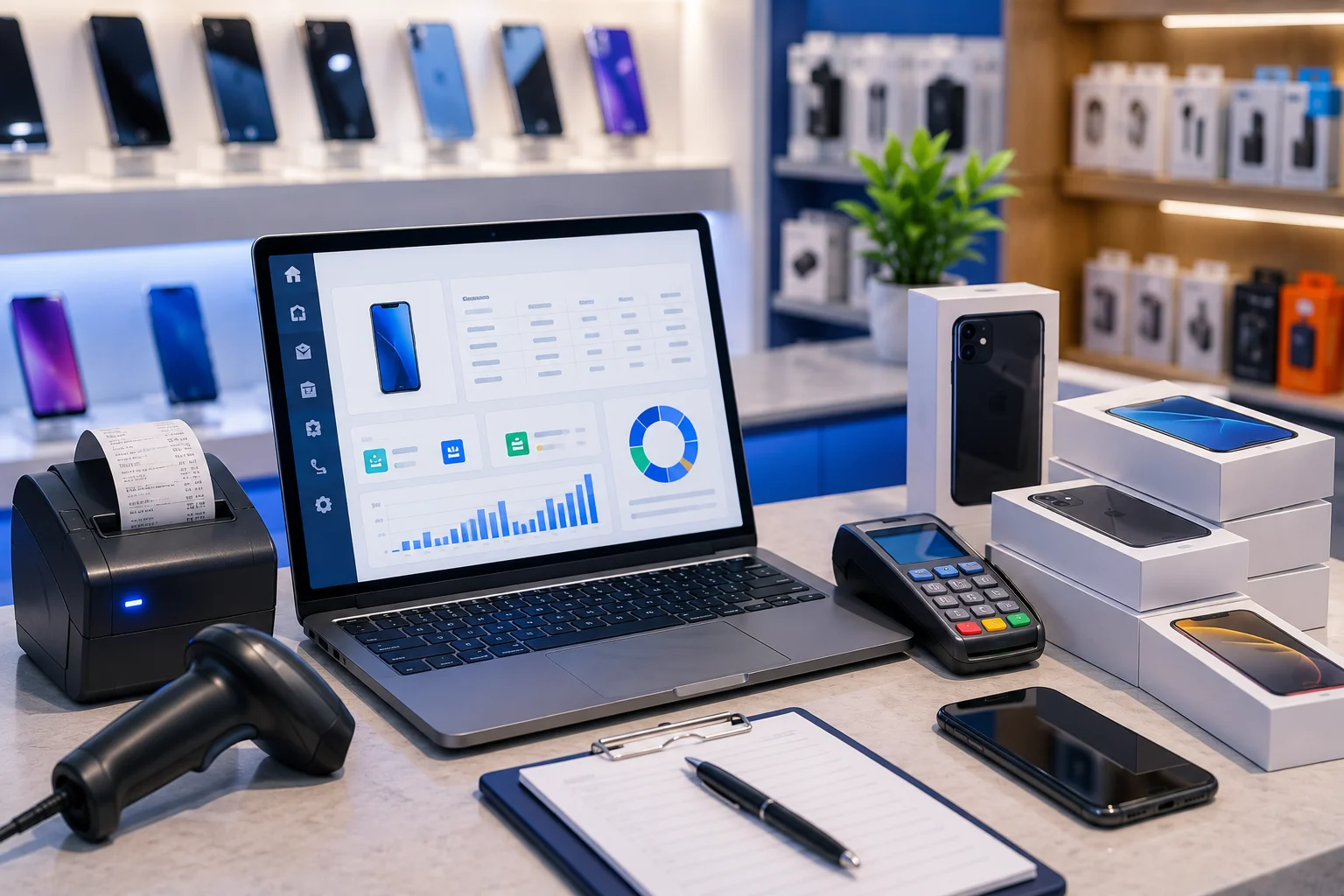
Modern technology provides incredible digital tools designed to track stock levels automatically and remove the guesswork from retail management. Utilizing automated systems makes it remarkably simple to reduce dead stock in your retail shop using real-time data insights.
✅ Automate Stock Tracking
Digital inventory platforms monitor every single sale, return, and new shipment instantly without requiring manual counting. Store owners who adopt digital tools reduce dead stock in your retail shop because the system alerts them immediately when items start moving slowly past predefined sales thresholds. Embracing software is the modern standard for maintaining absolute inventory clarity across all product categories.
✅ Get Real-Time Inventory Reports
Instant reporting features give you deep analytical insights into turnover rates and aging inventory right on your screen. Accessing live dashboards helps you reduce dead stock in your retail shop by highlighting dead zones before they swallow up your operating capital and storage space. When you review live performance metrics daily, your efforts yield maximum financial returns and guide future purchasing decisions.
✨ Monitor Performance and Make Improvements
Continuous evaluation of your inventory metrics ensures that your stock strategies evolve alongside changing customer habits and market trends. Consistent monitoring allows you to reduce dead stock in your retail shop permanently.
✅ Review Inventory Reports Regularly
Setting aside time each month to analyze turnover ratios keeps your retail strategies sharp and focused on profitability. Successful managers regularly review their metrics to reduce dead stock in your retail shop and refine future seasonal buying plans. When you study your business data closely, your capacity to stop dead inventory from accumulating grows stronger every month.
✅ Adjust Stock Strategy Based on Data
Adapting your purchasing and clearance rules based on hard performance data keeps retail shops nimble and profitable. Merchants who pivot quickly reduce dead stock in your retail shop and avoid repeating costly inventory mistakes from previous years. When you let data guide your decisions, your ability to transform backroom operations completely eliminates guesswork from daily management tasks.
Conclusion
Managing physical inventory and keeping your storage shelves clean does not have to be an overwhelming daily battle for retail shop owners. By identifying the root causes of unsold items and adopting smart digital tools, you protect your hard-earned cash flow. Taking proactive steps to reduce dead stock in your retail shop saves valuable storage space while setting your enterprise up for sustainable growth.
Take action today to review your stock reports, evaluate your purchasing workflows, and clear out old merchandise with smart promotional discounts. Finding the right balance will completely revolutionize how you handle goods and serve your loyal neighborhood customer base. Implement these proven strategies to reduce dead stock in your retail shop and elevate your business performance throughout 2026 and well beyond.
Furthermore, always remember that to reduce dead stock in your retail shop requires ongoing vigilance, smart data tracking, and regular clearance cycles. Merchants who successfully reduce dead stock in your retail shop experience higher profit margins and better customer satisfaction. By committing to these rules, you will easily reduce dead stock in your retail shop year after year.
Reach out team of Retiva today! 🚀💡📌
FAQs
What is dead stock in a retail shop?
Dead stock refers to unsold inventory items that sit in your backroom for a long time, taking up valuable space and tying up your operating cash flow.
Why is it important to clear out unsold inventory?
Clearing out unloved merchandise prevents silent financial leaks, eliminates hidden storage and insurance costs, and frees up capital to invest in popular, fast-moving items.
How can store owners forecast customer demand accurately?
You can forecast demand by analyzing past sales data, monitoring local buying trends, and reviewing historical purchasing patterns rather than relying purely on guesswork.
What role does technology play in managing inventory?
Modern inventory management software automates stock tracking, sends instant alerts for slow-moving items, and generates real-time reports to maintain total backroom clarity.
What are some effective ways to get rid of old merchandise?
You can clear old items quickly by offering seasonal promotional discounts, organizing targeted clearance sales, or packaging slow items into attractive value bundles with popular best-sellers.