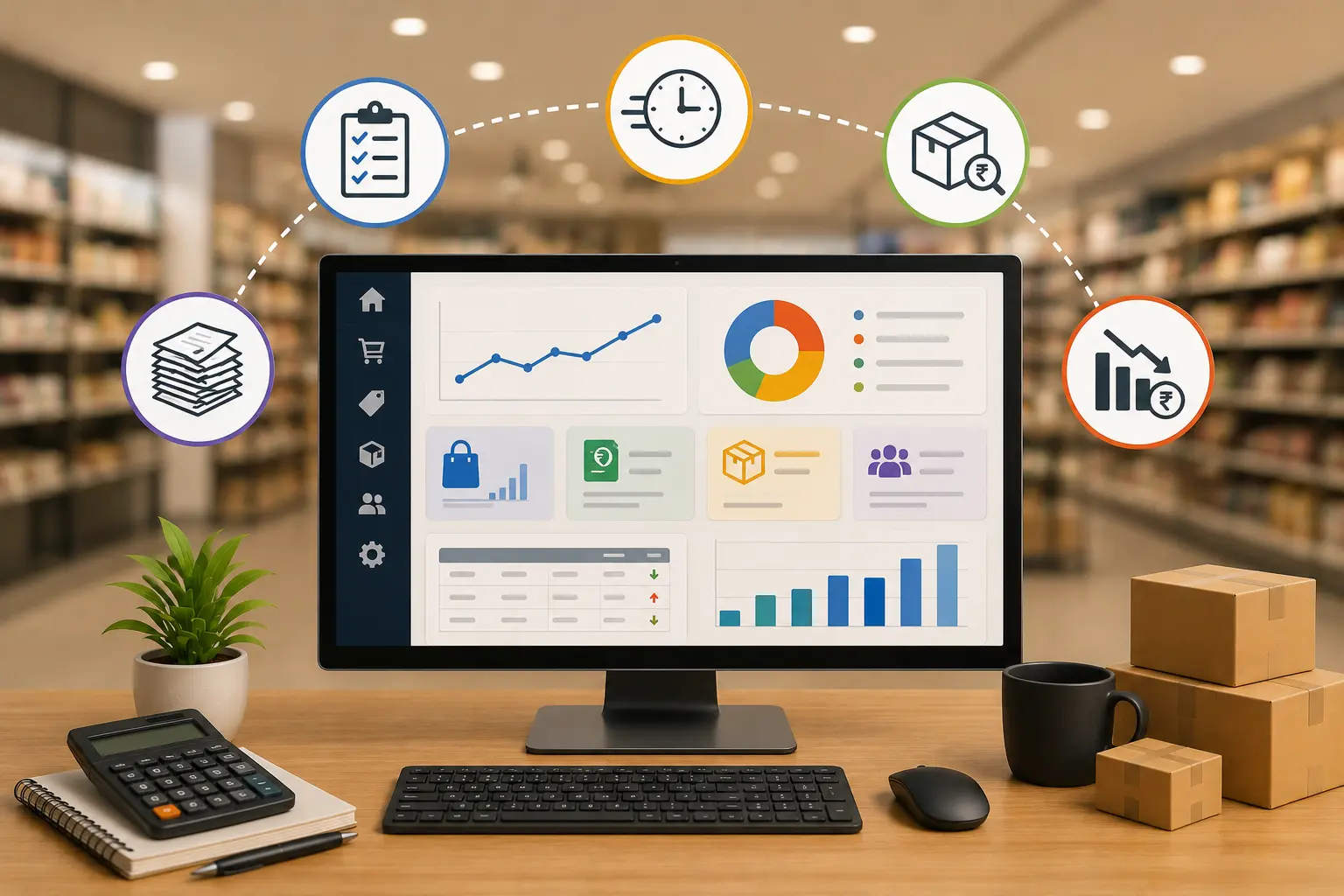
Introduction
Running a successful retail store involves much more than simply displaying attractive products and welcoming shoppers through your front doors. Behind every smooth transaction lies a complex web of stock checks, price tags, and customer receipts. If store owners still rely on manual notebooks or basic spreadsheets to handle their daily sales, they inevitably waste precious hours dealing with human errors. Transitioning to automated tools helps remove this operational friction entirely.
Adopting digital solutions allows shop owners to modernize their workflows, reduce checkout times, and maintain crystal-clear financial records without stress. When administrative burdens fade away into the background, store teams can redirect their focus toward building strong relationships with shoppers. Recognizing the early signs you need retail software is the first step toward modernizing your commercial storefront.
Utilizing an advanced digital platform transforms a chaotic retail environment into a streamlined, highly profitable commercial machine. From tracking unique device serial numbers to keeping a close eye on daily revenue, these tools act as the ultimate administrative backbone. Owners who act quickly when spotting signs you need retail software discover that achieving long-term business growth becomes remarkably smooth and predictable—with Retiva.
✨ Why Retail Software Is Essential for Modern Stores
Operating a retail shop without digital assistance is equivalent to navigating an unfamiliar city without a map or compass. Without clear oversight, minor operational inefficiencies quickly accumulate into major liabilities that threaten your store’s stability. Being aware of the clear signs you need retail software protects your enterprise from unexpected cash flow crunches.
✅ Common challenges of managing a store manually
When shop keepers rely on paper ledgers, stock imbalances become common, with one shelf running out of popular items while another sits on excess inventory. Recognizing the everyday signs you need retail software often starts when staff members spend hours trying to reconcile daily cash drawers. Furthermore, consolidating manual sales records into tax returns turns into a monthly headache that drains your energy.
✅ How retail software improves daily operations
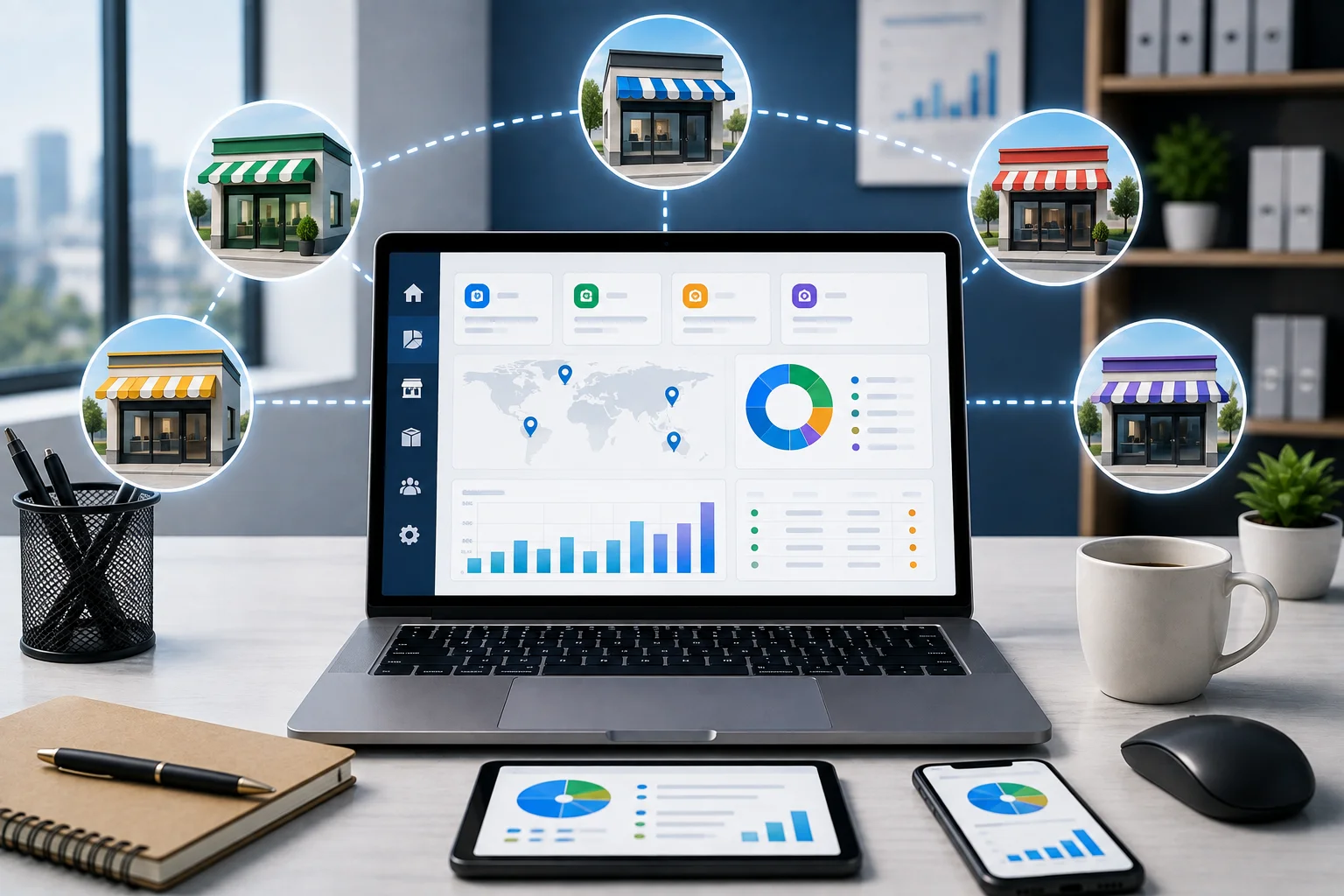
Using a unified software interface solves these logistical nightmares by bringing all branch data together into one clear screen. Business owners who pay attention to the signs you need retail software can spot operational bottlenecks instantly before they harm profits. A good digital dashboard lets you streamline workflows efficiently, saving countless hours of manual data entry every week.
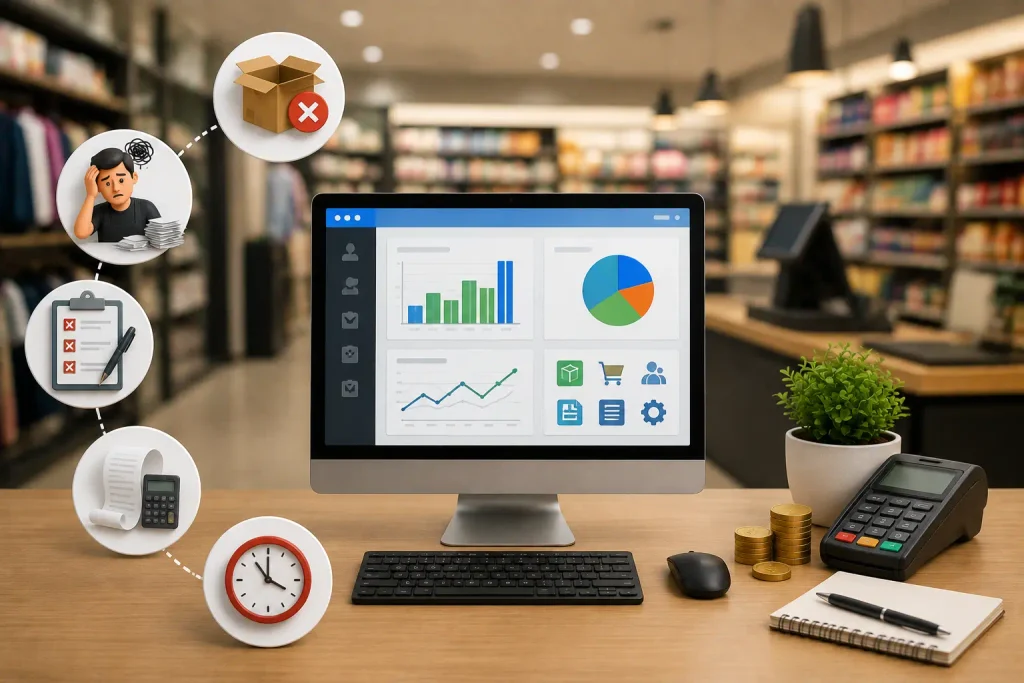
✨ The 5 Clear Signs You Need Retail Software
Identifying the exact moment to upgrade your store’s technology stack can save your business from thousands of dollars in lost productivity. Waiting too long to modernize invites expensive mistakes that slowly drain your working capital reserves over time. Spotting the primary signs you need retail software helps you make timely decisions that safeguard your investment.
✅ Slow billing, inventory issues, and manual errors
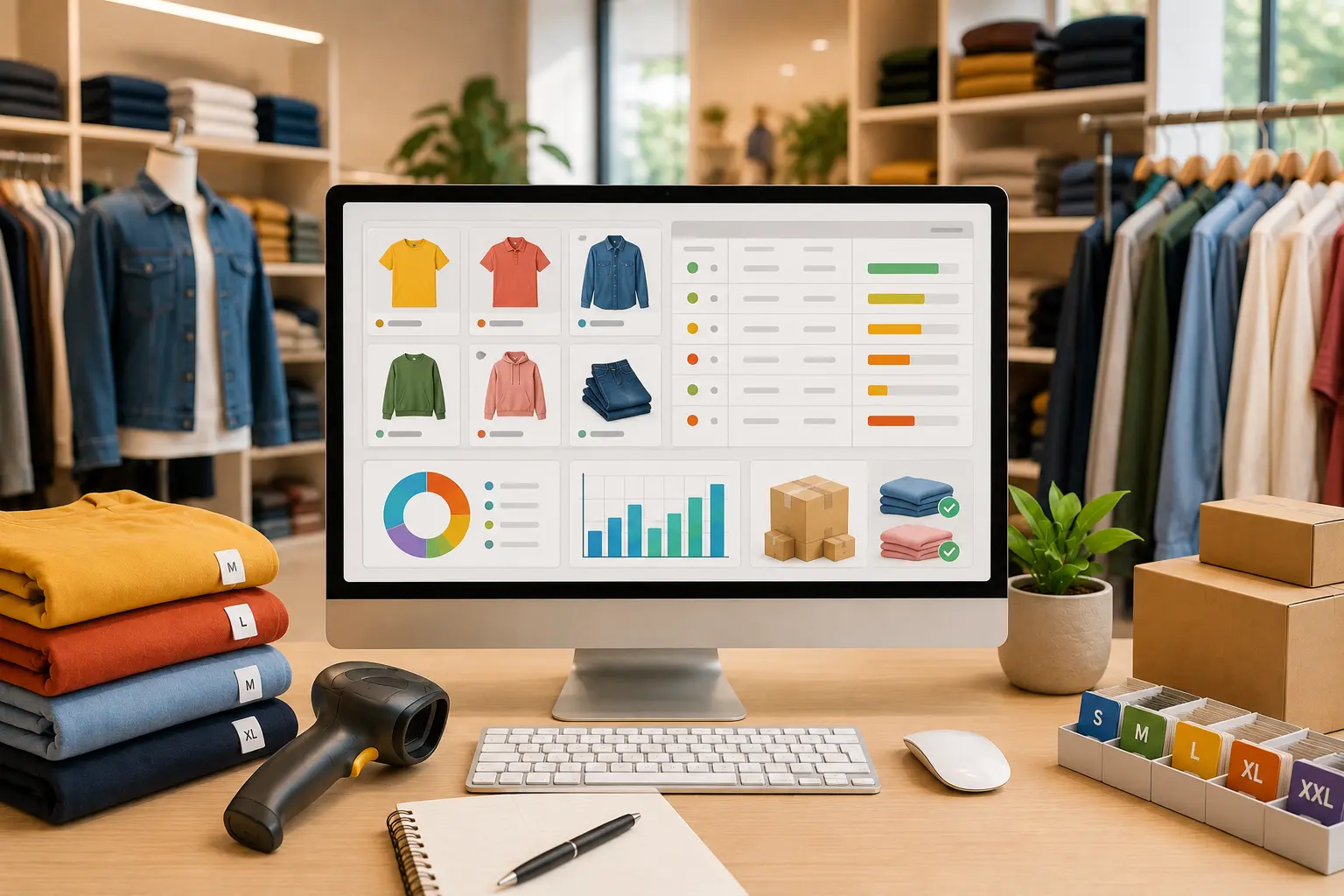
Long queues at the cash counter frustrate buyers and damage a store’s professional reputation during busy weekend rushes. If your cashiers struggle with slow checkout lanes, it is one of the classic signs you need retail software in your store. Furthermore, when physical stock counts never match your paper ledgers, the retail software becomes impossible to ignore.
✅ Lack of sales reports, customer management, and business growth
Waiting until the end of the month to review paper sales logs means you miss opportunities to capitalize on emerging buying trends. If you cannot instantly pull up top-selling product lists or customer purchase histories, these are major signs you need retail software. Store owners who notice these signs you need retail software usually realize that manual bookkeeping holds back their expansion plans.
✨ Benefits of Switching to Retail Software
Investing in digital infrastructure pays off almost immediately by transforming how your staff handles daily customer interactions and inventory counts. When administrative processes run seamlessly behind the scenes, the entire store atmosphere shifts toward higher productivity. Embracing change after noticing the signs you need retail software unlocks powerful operational advantages.
✅ Faster billing and better inventory control
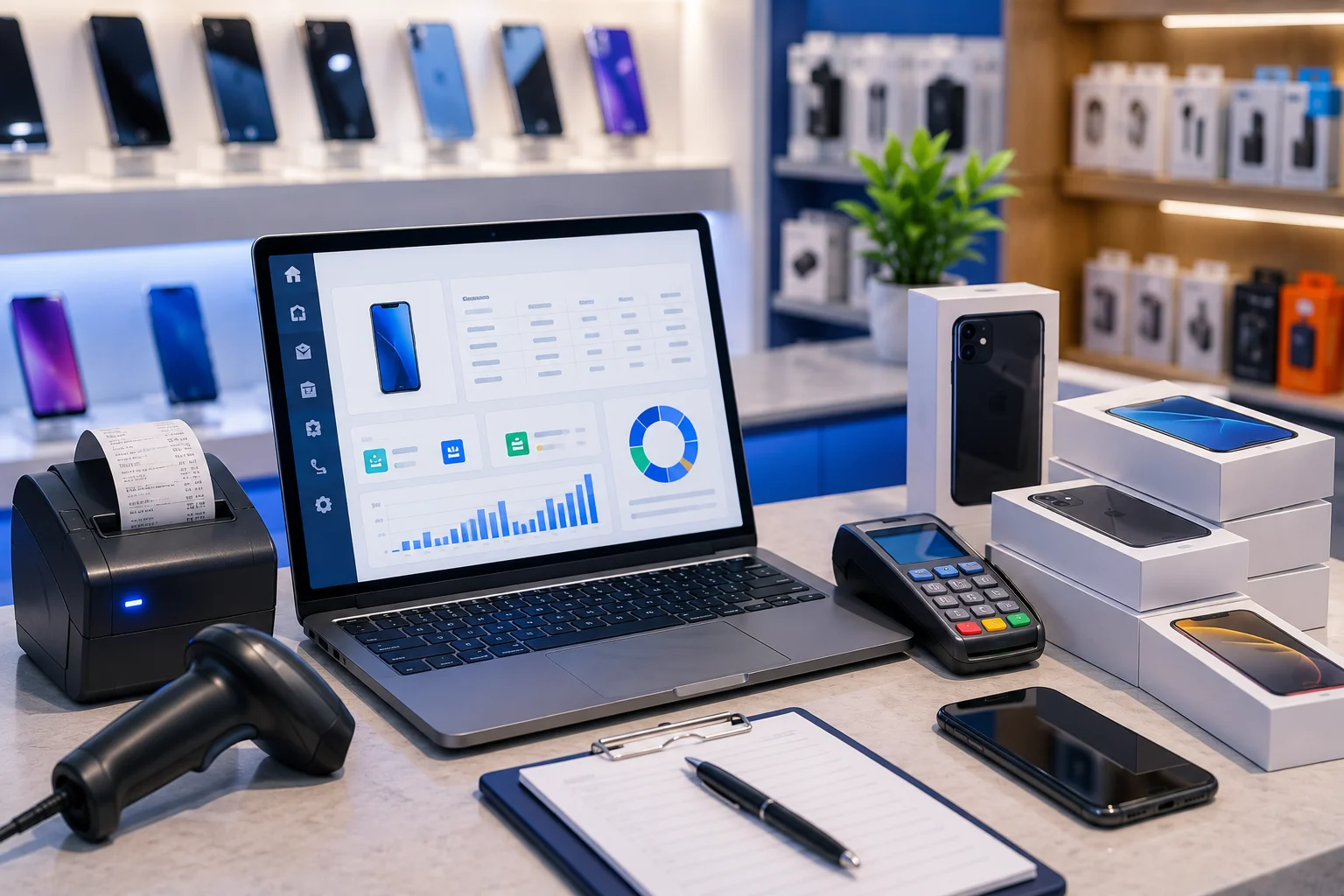
Deploying an efficient digital checkout lets cashiers scan barcodes and print itemized receipts in a fraction of traditional times. Owners who act on the signs you need retail software enjoy automated inventory updates the exact moment an item sells. Recognizing the signs you need retail software allows you to prevent unexpected stockouts and protect your store against shrinkage.
✅ Improved business efficiency and decision-making
Happy customers are far more likely to return for future upgrades or recommend your storefront to their friends and family. Once you respond to the signs you need retail software, your workflow streamlines so your team can focus entirely on shoppers. Reviewing performance metrics after spotting the signs you need retail software empowers you to make confident, profitable decisions.
✨ How to Choose the Right Retail Software
The software market offers countless digital solutions, but finding the exact match for your retail chain demands careful, structured evaluation. Not all platforms are built to handle the complex inventory transfers and multi-user permissions required for growing enterprises. Evaluating options after identifying the signs you need retail software protects your technology budget.
✅ Compare features based on your business needs
Before committing financial resources, review what tools are included in each subscription tier to avoid paying for unnecessary enterprise modules. Analyzing your workflow against the signs you need retail software helps you select a platform with transparent pricing and zero hidden fees. Testing a trial version after noticing the signs you need retail software ensures the interface aligns neatly with your team.
✅ Choose software that is easy to use and scalable
Even the most powerful software becomes useless if your branch cashiers and managers struggle to navigate its menu layouts. When you observe the signs you need retail software, prioritize systems that require minimal onboarding time for new staff. Choosing a scalable platform after seeing the signs you need retail software ensures your technology grows alongside your enterprise.
✨ Common Mistakes to Avoid
Even experienced retail owners can fall into operational traps when scaling their operations or upgrading their legacy systems. Most errors happen when decision-makers hesitate or fail to choose features that match their actual daily storefront requirements. Avoiding classic pitfalls once you spot the signs you need retail software secures your long-term success.
✅ Delaying software adoption
Waiting months or years to upgrade after noticing clear performance bottlenecks only increases your administrative debt and employee frustration. Ignoring the early signs you need retail software forces your business to waste money on inefficient manual labor. Proactive leaders act swiftly the moment they recognize the signs you need retail software in their daily operations.
✅ Choosing software without essential features
Purchasing a cheap, limited digital tool that lacks barcode scanning or tax reporting capabilities creates more problems than it solves. Evaluating options without keeping the initial signs you need retail software in mind leads to costly secondary software migrations. Always ensure your chosen system addresses every single issue highlighted by the signs you originally experienced.
Conclusion
Modernizing your retail storefront with digital tools is the single most important step toward long-term commercial success and stability. Relying on disorganized paperwork or guesswork severely limits your growth potential and invites costly financial errors into your business. Implementing a structured technological solution completely eliminates operational blind spots and secures your brand’s future.
Transitioning to automated cloud technology grants you total visibility over inventory counts, tax compliance, and daily sales performance across your entire network. When your administrative workflows run smoothly, your leadership team gains the freedom to focus on marketing, customer experience, and strategic expansion. Adopting professional tools turns everyday administrative stress into a streamlined, highly profitable routine.
Take action today by auditing your current workflow, choosing a reliable platform, and embracing digital transformation with absolute confidence. Proper operational management protects your capital reserves and positions your store to thrive in any market. Your retail business holds incredible potential, and the right technological foundation will help you unlock it completely.
Reach out team of Retiva today! 🚀💡📌
FAQs
What are the primary indicators that my store needs an upgrade?
Common indicators include slow checkout lines, frequent stock discrepancies, missing sales reports, and hours spent manually reconciling daily cash drawers.
How does digital retail software improve daily checkout speed?
It allows cashiers to scan barcodes instantly, compute accurate totals and taxes automatically, and print itemized customer receipts in a fraction of traditional times.
Why is relying on manual spreadsheets dangerous for a growing store?
Manual record-keeping is prone to human error, creates severe inventory blind spots, and turns tax preparation into a stressful, time-consuming monthly burden.
What should I look for when selecting a retail platform?
You should compare features based on your specific business needs, ensuring the platform offers transparent pricing, inventory tracking, ease of use, and scalability.
What happens if a store owner delays adopting modern retail systems?
Delaying an upgrade increases administrative debt, wastes money on inefficient manual labor, and invites costly errors that slowly drain working capital reserves.