Introduction
Every retail store owner faces daily challenges, and running a retail business can quickly turn from an exciting journey into a source of constant stress. From keeping track of shelves to ensuring customers walk out happy, the weight of manual management is heavy. If you are still using paper or spreadsheets, you are likely hitting a wall where growth feels impossible and your time is drained by repetitive tasks.
Understanding how to tackle these struggles is the first step toward building a profitable, sustainable machine. Every hour you spend fighting with manual processes is an hour you are not spending on strategy, marketing, or connecting with your community. By analyzing your current workflows, you can begin to see exactly where you are losing momentum and why your business might be struggling.
Let’s explore how modern digital solutions can clear the path to success for every retail store owner who is ready to make a change. Embracing the right technology doesn’t just make your life easier; it provides you with the data-driven insights necessary to compete in a fast-paced market. It is time to look toward a future where your business operates with precision and efficiency.
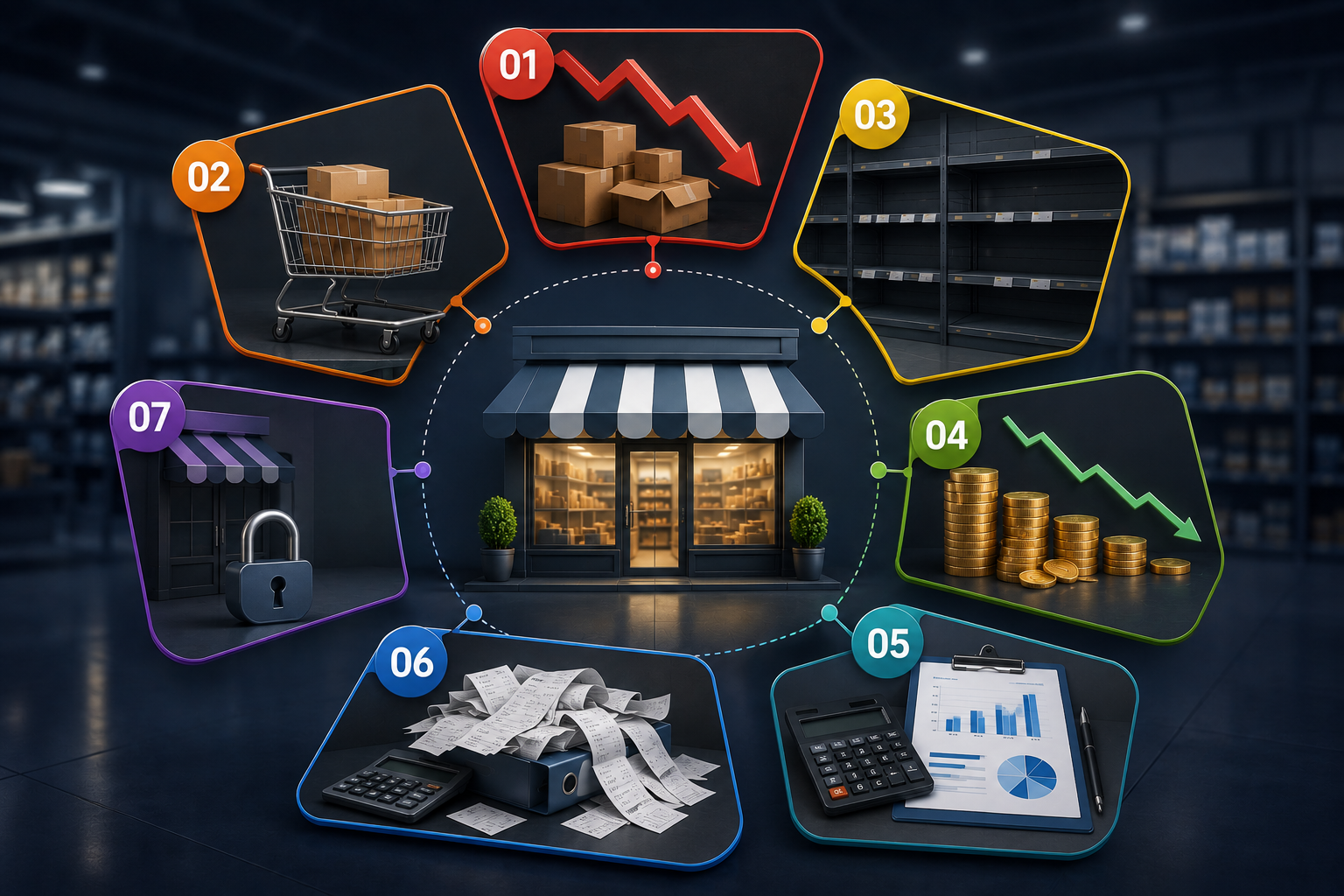
✨ Poor Inventory Management
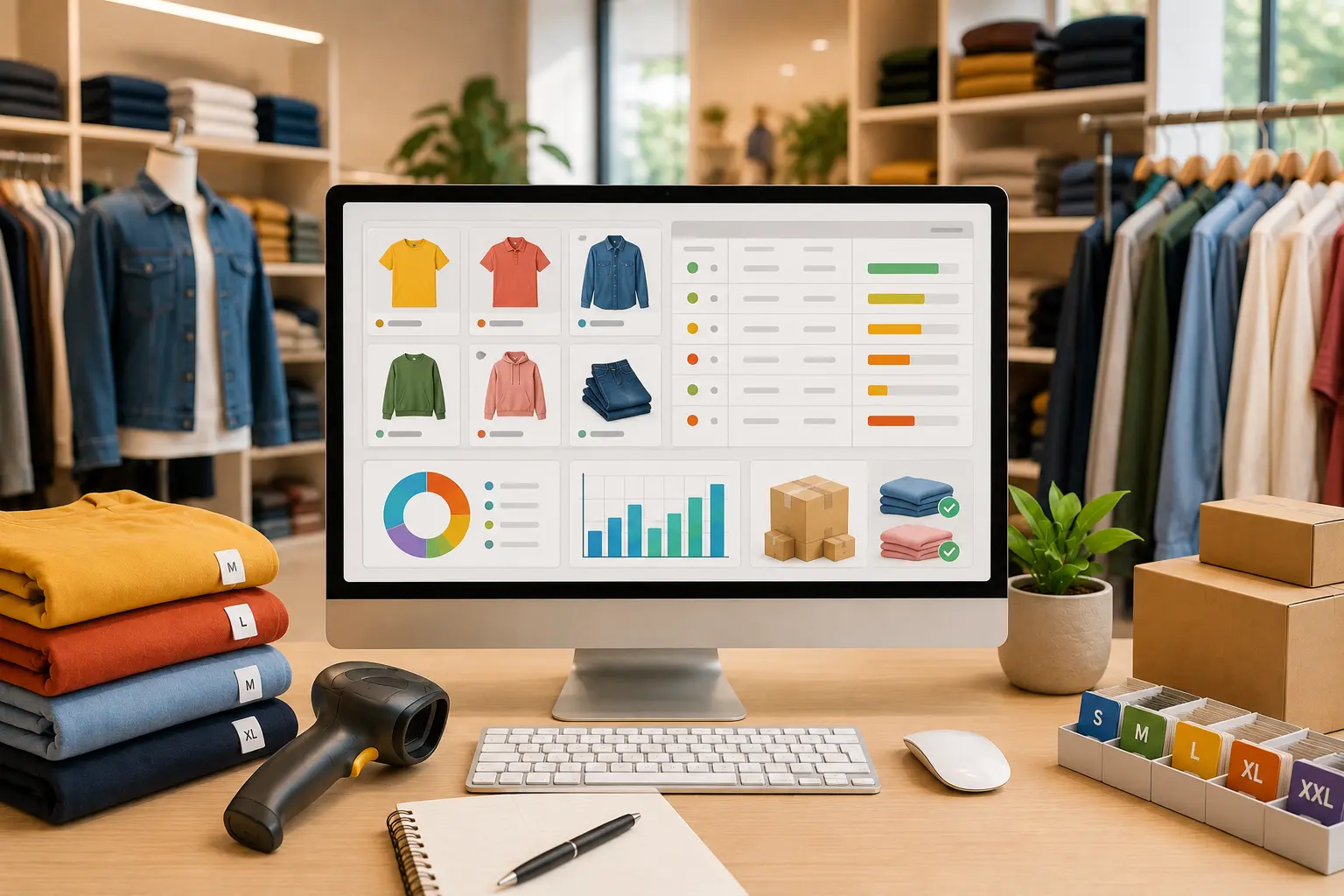
Inventory is the lifeblood of your shop, yet it is often neglected because it is time-consuming to manage manually. When you do not know exactly what is sitting in your backroom, you are losing money every single day that items remain uncounted or misplaced. Many retail store owners have faced the frustration of empty shelves while boxes of the same item sit forgotten in storage.
✅ Causes of Stock Shortages and Overstocking
Shortages happen when you lose track of sales trends, driving customers to competitors. Overstocking happens when you buy too much of an item that isn’t selling, tying up cash in dead inventory. For a retail store owner, this balancing act is a headache that distracts from the core mission.
✅ How to Improve Inventory Control
The solution is moving from manual counting to automated tracking. By using a system that logs every item upon arrival and sale, you eliminate the guesswork. This allows retail store owners to set automated reorder points so you always have the right amount of stock when you need it.
✨ Slow and Complicated Billing Process
A long line at the register is a silent business killer that damages your reputation. When the billing process is slow, customers get frustrated, and you lose sales simply because you couldn’t process their purchase fast enough. Every retail store owner knows that customer patience is limited, and nothing ruins a shopping experience faster than waiting too long to pay for an item.
✅ Common Billing Challenges
Manual price lookups and calculator errors cause bottlenecks at the front of your store. If your staff is struggling with clunky processes, they aren’t engaging with customers—they are fighting with technology. A retail store owner should be focusing on sales, not troubleshooting a broken manual register.
✅ Benefits of Using a POS System
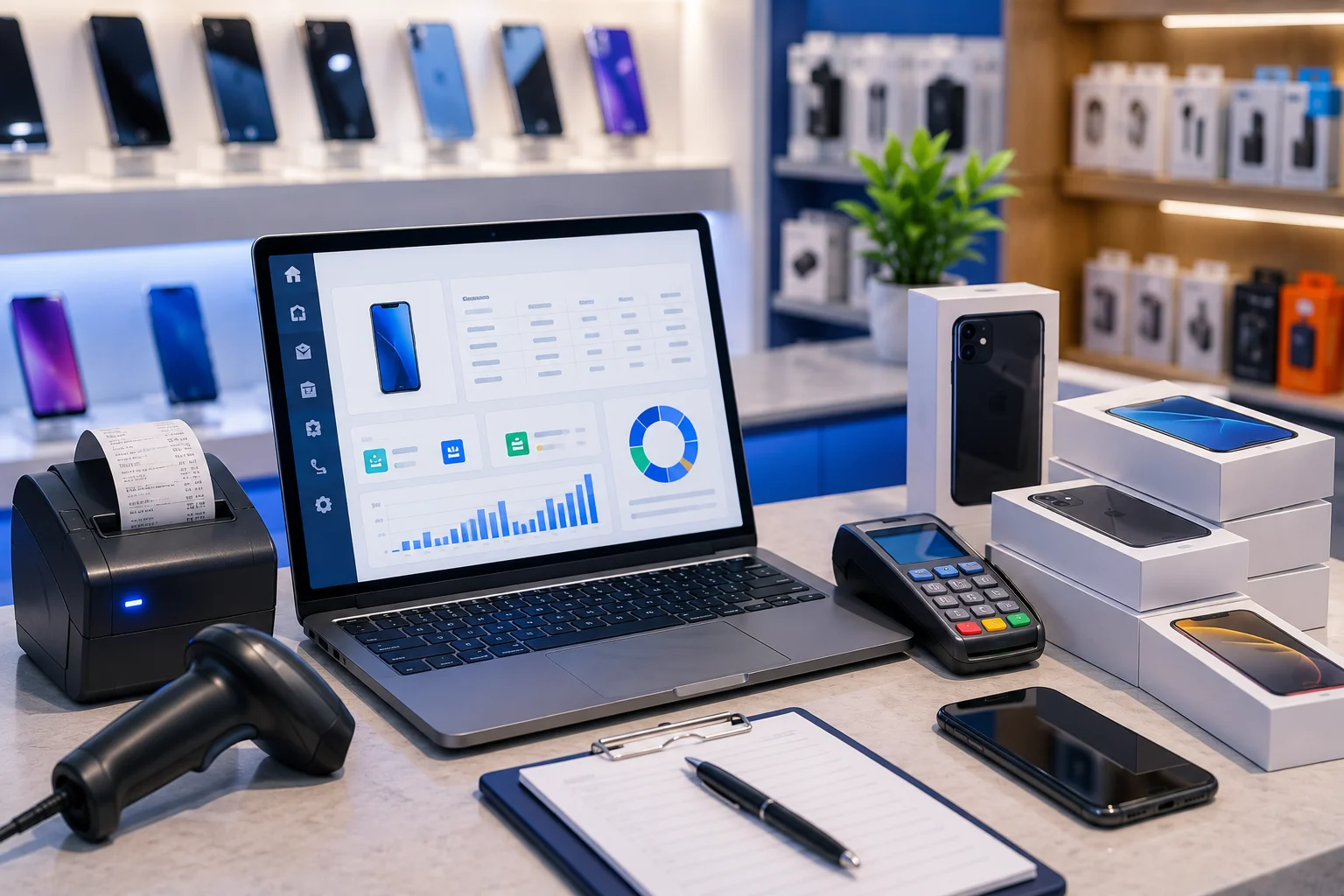
A modern POS system makes checkout instantaneous and professional. It handles taxes, discounts, and payments automatically. With a barcode scanner, you turn a long transaction into a quick, pleasant one, which is a game-changer for the retail store owner.
✨ Low Customer Satisfaction
You can have the best products in town, but if your service is sluggish, your customers will not return. Customer service is the cornerstone of success for a retail store owner, and it relies on how much time your staff has to interact with shoppers. Improving the internal flow of your store is the secret to creating the environment that people want to visit.
✅ Reasons Customers Leave
Customers leave when they can’t find what they need or encounter overwhelmed staff. Every retail store owner needs their team to be helpful, rather than bogged down by administrative tasks that keep them away from the sales floor.
✅ Ways to Improve Customer Experience
Focus on speed and personalization. Use a digital system that remembers customer preferences. When a retail store owner is not distracted by manual math errors, they have time to talk to customers and build a real relationship.
✨ Poor Sales Tracking
If you don’t know what is selling, you are essentially flying blind in a competitive market. Relying on memory or manual ledgers is a recipe for failure, and no retail store owner can afford to guess what works when their margins are on the line. Data is the key to growth, and without it, you are leaving your strategy up to chance.
✅ Problems with Manual Sales Records
Manual records are prone to errors and are rarely updated in time to make smart decisions. A retail store owner needs hard facts to make inventory decisions that will improve the bottom line.
✅ Using Reports for Better Decisions
Modern systems generate reports with one click. You can see your best-selling items, your most profitable hours, and your slowest days instantly. Using this data helps a retail store owner decide exactly what to order next.
✨ Inventory Loss Due to Theft or Damage
“Shrinkage” is the retail term for losing money, but it feels like the theft of your hard work. It is a major concern for any retail store owner who doesn’t have a handle on their exact stock levels. Without a digital audit trail, items vanish, and you won’t realize it until your inventory shows a massive deficit.
✅ Common Causes of Inventory Loss
Loss comes from internal theft, shoplifting, or breakage. When you don’t have a record of what should be on the shelf, you won’t know something is missing until it is far too late for a retail store owner to recover those losses.
✅ Tips to Reduce Stock Loss
The best deterrent is a digital record. When a retail store owner knows exactly how many items they have in stock at all times, they can immediately spot discrepancies before they turn into major losses.
✨ Managing Multiple Business Operations
As your business grows, the complexity multiplies across every department. Trying to keep all these plates spinning manually is a recipe for total burnout for the average retail store owner trying to do it all alone. You need to transition from “doing” the tasks to “managing” the business.
✅ Challenges of Handling Daily Tasks
Balancing inventory, staff, and accounting across locations is nearly impossible without a central system. A retail store owner should be a leader, not a full-time clerk buried in paperwork.
✅ Using Software to Simplify Operations
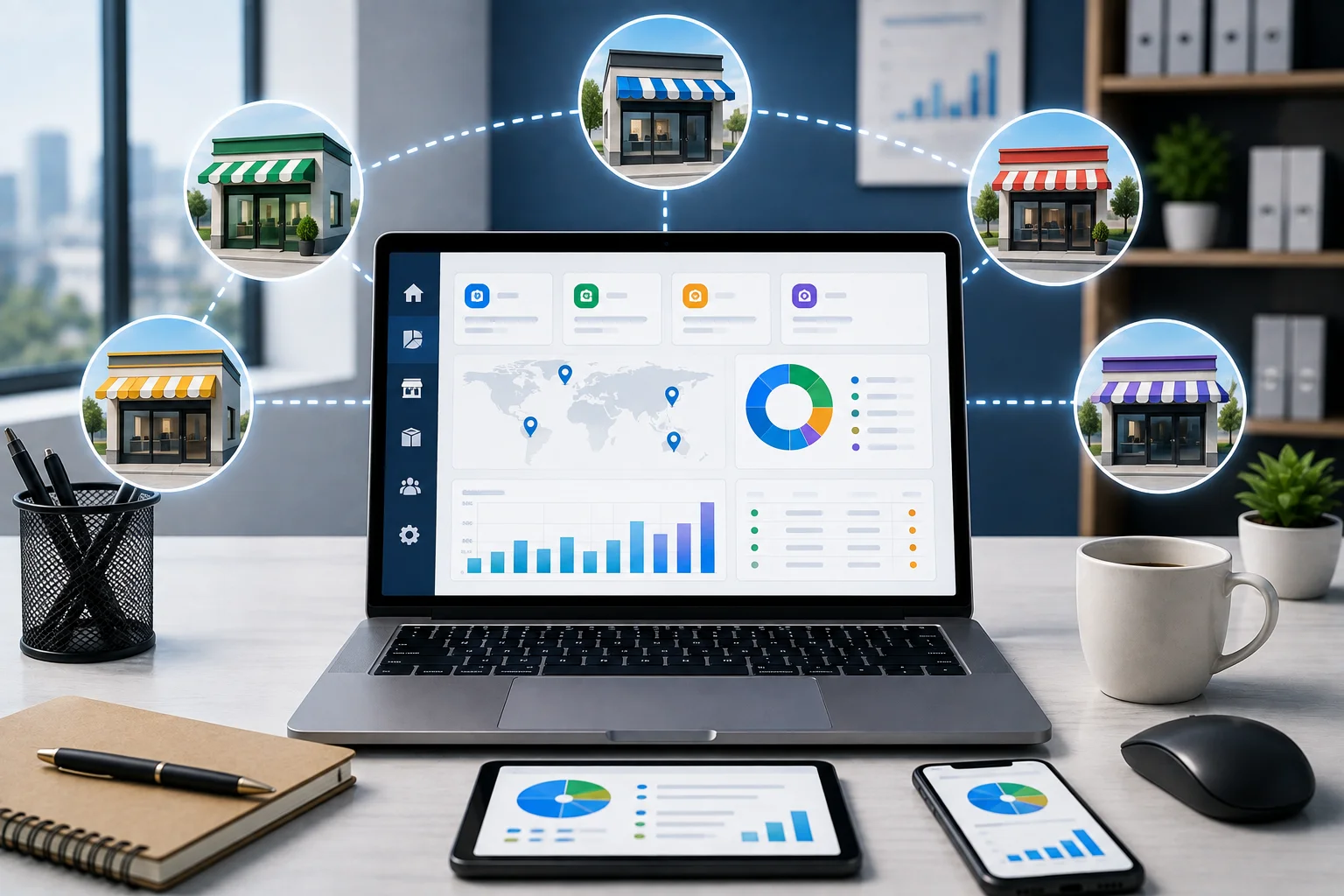
Centralized software brings everything under one roof, providing a clear dashboard. It turns a chaotic pile of daily tasks into a manageable schedule for the busy retail store owner.
✨ Difficulty Growing the Business
The biggest barrier to growth is usually your own outdated processes. Many a retail store owner dreams of expansion but feels anchored to the daily grind, unable to find the time to plan for the future. You cannot grow if you are spending every hour putting out fires.
✅ Common Growth Barriers
Burnout and disorganized operations are the main walls retailers hit. Every retail store owner needs to break free from these cycles to truly succeed.
✅ Smart Strategies for Business Expansion
Automation is the key to expansion. By offloading busy work to software, a retail store owner gains the freedom to focus on new marketing. When a retail store owner automates, they scale effectively.
Conclusion
Retail success is not about working harder; it is about working smarter and utilizing tools designed to help you thrive. By addressing the cracks in your operations, you stop losing money to simple, avoidable inefficiencies. While manual methods might seem familiar, they are the biggest barrier standing between you and the growth you deserve, and overcoming that is the most important step any retail store owner can take.
Embracing digital tools allows you to reclaim your time, reduce your losses, and finally focus on what matters most: growing your business. Every retail store owner deserves to see their hard work pay off in profit and expansion. The future of your store is in your hands, and the right tools will help any retail store owner build a legacy of excellence.
Remember, every successful retail store owner knows the best time to start modernizing is today. It is the most important step any retail store owner can take for their future, ensuring that your business is prepared for tomorrow while maintaining a strong profit today. Keep your eyes on the data and your mind open to new possibilities.
Reach out team of Retiva today! 🚀💡📌
FAQs
Why do many owners struggle with inventory?
Relying on manual tracking is the main issue. Without automation, you miss real-time data, which often leads to stockouts or wasted cash.
How does a POS system help?
It automates billing and taxes, allowing you to speed up checkout lines and eliminate costly human errors.
Does software reduce inventory loss?
Yes. Digital records help you spot discrepancies quickly, making it easier to track theft and prevent stock shrinkage.
When should I switch to software?
When manual tasks take more time than serving customers, it is time to automate your processes to avoid burnout.
Will software help me grow?
Definitely. By offloading busy work, you gain the freedom to focus on marketing and expansion instead of constant paperwork.